
For clarity’s sake
No, 50% +1 is not enough and yes, we can calm down.

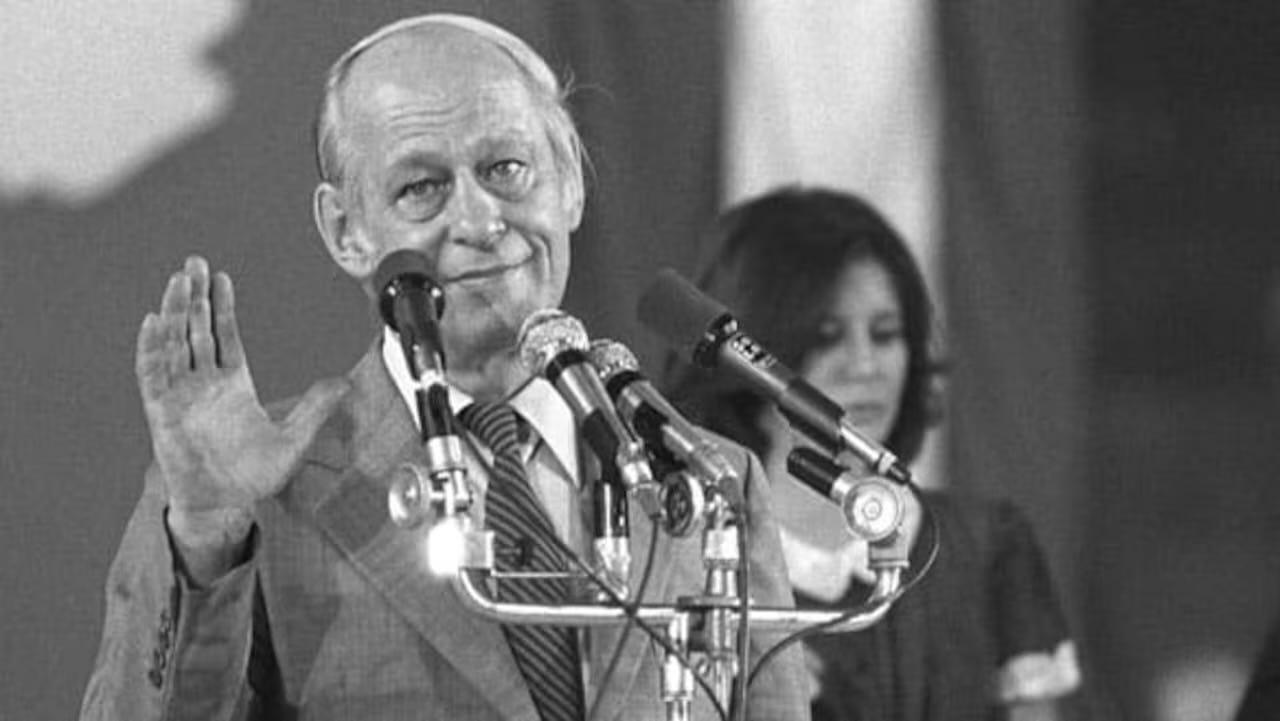
The problem with separatism is that sooner or later, people have to behave like adults about it.
In the early 1990s I was in law school working with constitutionalist Henri Brun in Quebec City. Brun is a brilliant man with a very soft voice and a shy demeanour who is behind most if not all of the separatists’ legal manoeuvres including the draft constitution and just about every argument in front of the Supreme Court. My project with him was to write an essay outlining all possible scenarios after a successful referendum for a newly independent Quebec and whatever would be left of Canada to work together. A common market like in the European Union? A monetary union between two separate countries? A confederation of re-arranged jurisdictions? How would we divide assets, what would be the benefits and disadvantages — the works.
I wish I’d kept that essay. In the end my conclusion was that there was no happy scenario in which a rearranged Canada would be better off after Quebec’s separation. At least not economically or institutionally. The paper made it clear that whatever Quebecers chose, it would be costly for everyone.
I remember getting a very good mark on that paper, and Brun saying he regretted that he couldn’t argue with my conclusion. He’d clearly wanted a different result but he was honest enough to recognize that it didn’t exist. I always respected him as a professor, but in that one moment he also earned my undying respect as a scholar, thinker and as a man of integrity.
The 1995 referendum was a squeaker victory for the No, as you’ll recall, which led to the federal government asking the Supreme Court to pronounce itself on whether a province had the right, unilaterally, to separate from Canada.
The ruling said no, but at the same time a clear majority on a clear question would force the federal government to enter into negotiations since you can’t deny the right of people to self-determination.
The Court did not say what would constitute a clear question or a clear result, because that wasn’t its job. In 2000, the federal parliament adopted the Clarity Act, which essentially legislates the Supreme Court ruling without defining what would be considered clear but giving the House of Commons the power to decide it at the appropriate time.
Separatists never accepted that. In 2012, the Bloc Québécois introduced Bill C-457 to repeal it. It failed. Two days ago it tried again and introduced C-279. This is full text:
Preamble
Whereas the Québécois form a nation;
Whereas that nation has been formally recognized by the House of Commons;
Whereas the decision on its future within Canada lies with the Québécois nation, not the federal government;
And whereas the Québécois nation has laws that give its government both the right to consult the people of Québec by means of a referendum on the subjects of its choice and the right to determine the wording of the referendum question;
Now, therefore, His Majesty, by and with the advice and consent of the Senate and House of Commons of Canada, enacts as follows:
Repeal
1 The Clarity Act, chapter 26 of the Statutes of Canada, 2000, is repealed.
Separately in 2005, the federal NDP adopted in the Sherbrooke Declaration that said 50% + 1 was enough to decide a vote on separation. This led to a great exchange (starts at the 1-hour mark of the video) between Justin Trudeau and Thomas Mulcair for us constitutional nerds during the 2015 federal leaders debate.
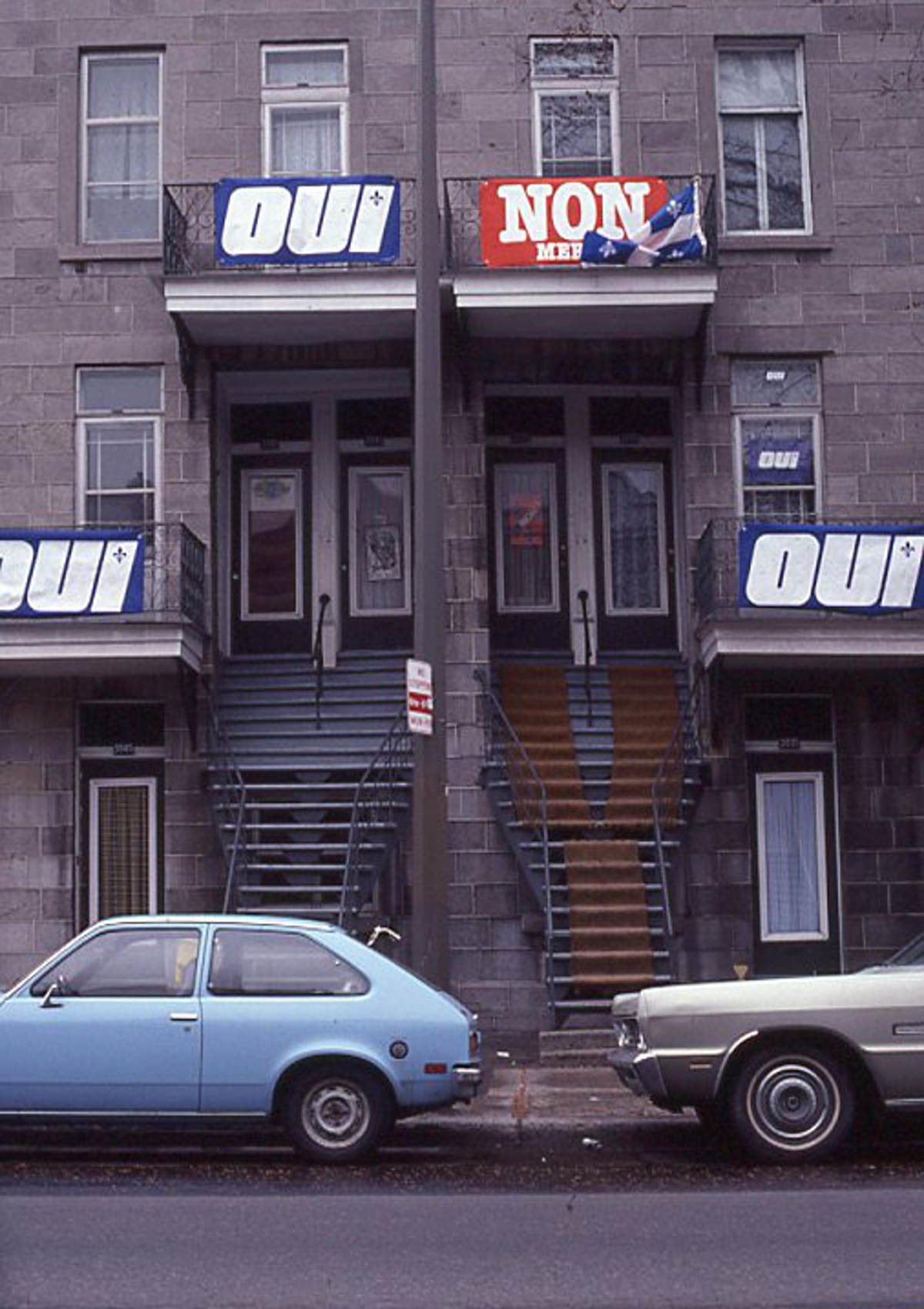
Why are we here again, you ask? Because of Danielle Smith. A renewed focus on separation is enough for separatists to come back with the same demand — essentially to affirm the right of Quebecers to determine their own constitutional future all by themselves.
It’s not a crazy argument, of course. Quebecers do have the right to vote and decide whether a question is clear enough for them. They can also decide what majority they need to win. But — this is the part where adults are needed in the room — Quebecers cannot force the rest of the country to enter into post-referendum negotiations on terms that only they decide.
In 1980 and 1995, the questions weren’t especially simple or clear, at least not from an outsider’s point of view.
1980 question:
The Government of Quebec has made public its proposal to negotiate a new agreement with the rest of Canada, based on the equality of nations; this agreement would enable Quebec to acquire the exclusive power to make its laws, levy its taxes and establish relations abroad - in other words, sovereignty - and at the same time to maintain with Canada an economic association including a common currency; any change in political status resulting from these negotiations will only be implemented with popular approval through another referendum; on these terms, do you give the Government of Quebec the mandate to negotiate the proposed agreement between Quebec and Canada?
1995 question:
Do you agree that Quebec should become sovereign after having made a formal offer to Canada for a new economic and political partnership within the scope of the bill respecting the future of Quebec and of the agreement signed on June 12, 1995?
Now imagine a question that said: Do you want Quebec (or, I suppose, Alberta) to separate from Canada and form its own independent country, on terms to be negotiated later, yes or no?
That would be clear to just about everyone. Now imagine 75% of Quebec voters say Yes in a free and fair election. It would be weird to try and force them to stay anyway. But a squeaker yes on a long-ass confusing question isn’t enough to throw everyone into an economic nightmare — especially not in the face of a United States governed (if that’s the word) by you-know-who.
This is the part where adults have to show up and restore a little bit of order. There is no need to fret about how to define a clear question or a clear majority on any separation referendum at this point, except to reiterate that both would need to be clear, clearly.
Anything else is, like we say where I’m from, un show de boucane. The Bloc’s bill will not go anywhere, as it shouldn’t. The Clarity Act could be erased and it wouldn’t matter since we have the Court’s ruling. Alberta separatism isn’t a threat, because Albertans aren’t stupid. Neither are Quebecers. Even if they were to elect the Parti Québécois this fall, they are not going to separate because outside a small minority of fanatics, nobody wants a third referendum.
Maybe we can all calm down and try to enjoy this beautiful summer weather in peace.