
Death's harm
A pair of ruling in an Alabama death penalty case is one small victory worth celebrating.

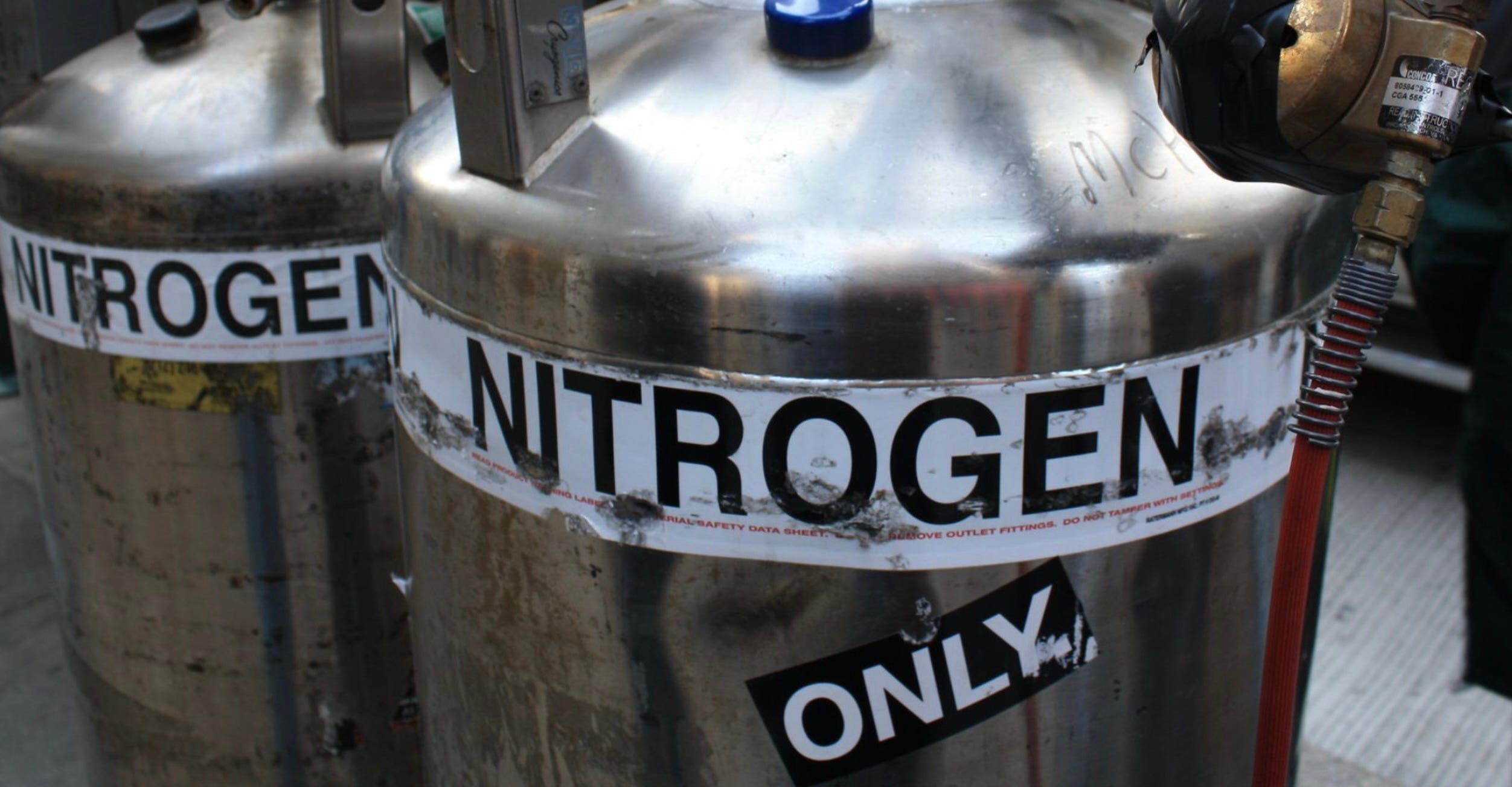
UPDATE: On Thursday night June 11, SCOTUS denied Alabama’s appeal.
It’s kind of weird to ban a killing method because it might cause harm, but here we are.
Earlier this week a pair of decisions ruled that the state of Alabama could not use nitrogen gas to execute Jeffery Lee because it would violate the Eighth Amendment (cruel and unusual punishment; in Canada it’s s. 12 of the Charter).
A pair of rulings over the past 30 hours led to a final judgment from U.S. District Judge Emily Marks on Tuesday permanently blocking Alabama from suffocating Jeffery Lee to death using nitrogen gas, a method of execution referred to as “nitrogen hypoxia.”
Following a Tuesday opinion from Marks building on a Monday ruling from the U.S. Court of Appeals for the Eleventh Circuit, Marks ultimately declared that the state’s “nitrogen hypoxia execution protocol violates the Eighth Amendment.”
Nitrogen hypoxia is the forced inhalation of nitrogen gas that causes asphyxiation by depriving the body of oxygen. It was first used as a killing method by Alabama in 2024. It’s always been controversial because of how cruel it is.
The death penalty is not supposed to be a pleasant affair, but it should not be any more painful than it has to be. We have ways of ending life that are humane. We use that for our pets. Why we force condemned humans to suffer is beyond me.
The torture and execution of undesirable humans have been a constant presence throughout history. The Romans crucified people, which caused death by exhaustion over the course of many long hours (or sometimes days). In the incredibly brutal 2004 Mel Gibson movie The Passion, the scene includes a raven plucking the eyes out of the unrepentant thief’s face while he’s on the cross.
Socrates was forced to drink hemlock, a powerfully toxic plant that interferes with the nervous system to the point of causing failure in your respiratory muscles, leading to death. Witches were burned alive. In ancient Israel those convicted of incest were made to ingest molten metal and would thus burn from the inside out unless their bowels burst first. Flaying — removing the skin of the condemned — was used in Ancient Rome, medieval England and the Ottoman Empire.
Famous people were guillotined and had their head roll into baskets. The “waist chop” was another way of killing people by cutting them in half but without slicing vital organs, causing an excruciating and very slow death. This method was used in China until the 18th century. Other people would get drawn and quartered — also famously depicted in a Mel Gibson movie, Braveheart. This one is based on the real story of William Wallace, who died a truly horrifying death that included being emasculated while still alive and having his private parts burned in front of his eyes.
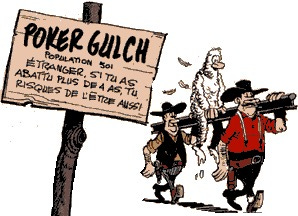
Firing squads are still in use today. Tarring and feathering may have looked amusing in films and in Lucky Luke comics, but it caused incredible suffering from severe burns sometimes leading to death. The fact that we’re still using this as a metaphor for public opprobrium is more than a little problematic. (I’m as guilty of that as anyone.)
A decade ago I took my kids to the Tower of London and they had a blast running through exhibits showcasing torture methods that were beyond gruesome. They thought, not unreasonably, that these methods belonged to a much earlier and less civilized age. Alas.
According to Amnesty International, 17 countries still execute citizens round the world today and in 2025, together they killed 2,707 people.
I always had problems with the death penalty, because it’s barbaric and unintelligent. It also leaves no room for repentance. But if you’re going to have legal executions for some particularly egregious crimes, why be cruel about it? At that point, the person is dying. Why kill them painfully when we have ways to make this transition between life and death more humane?
Even if you’re happy some people get killed by the state as punishment for their terrible crimes, could we not show that we’re the better humans by doing it in a way that is aligned with the principles of fundamental justice we claim to uphold?
Jeffery Lee was sentenced to death for the 1998 shooting and killing of Jimmy Ellis and Elaine Thompson during a pawn shop robbery in Orrville, Dallas County, not far from Selma. No question this was a horrific crime. And part of the rationale for the death penalty is to deter crime. It’s not clear that’s working, judging by how more crimes get committed.
This week’s pair of rulings is a small, partial victory (potentially temporary if Alabama succeeds in appealing). Jeffery Lee may still be executed Thursday night as planned. But it won’t be with nitrogen gas. I guess we have to take our wins where we can, and continue fighting for human rights, even when we administer death in the name of justice.